
Staying abreast of innovative thinking and industry news fuels our competitive advantage.Here are some interesting finds we’d like to share…
News & Insights

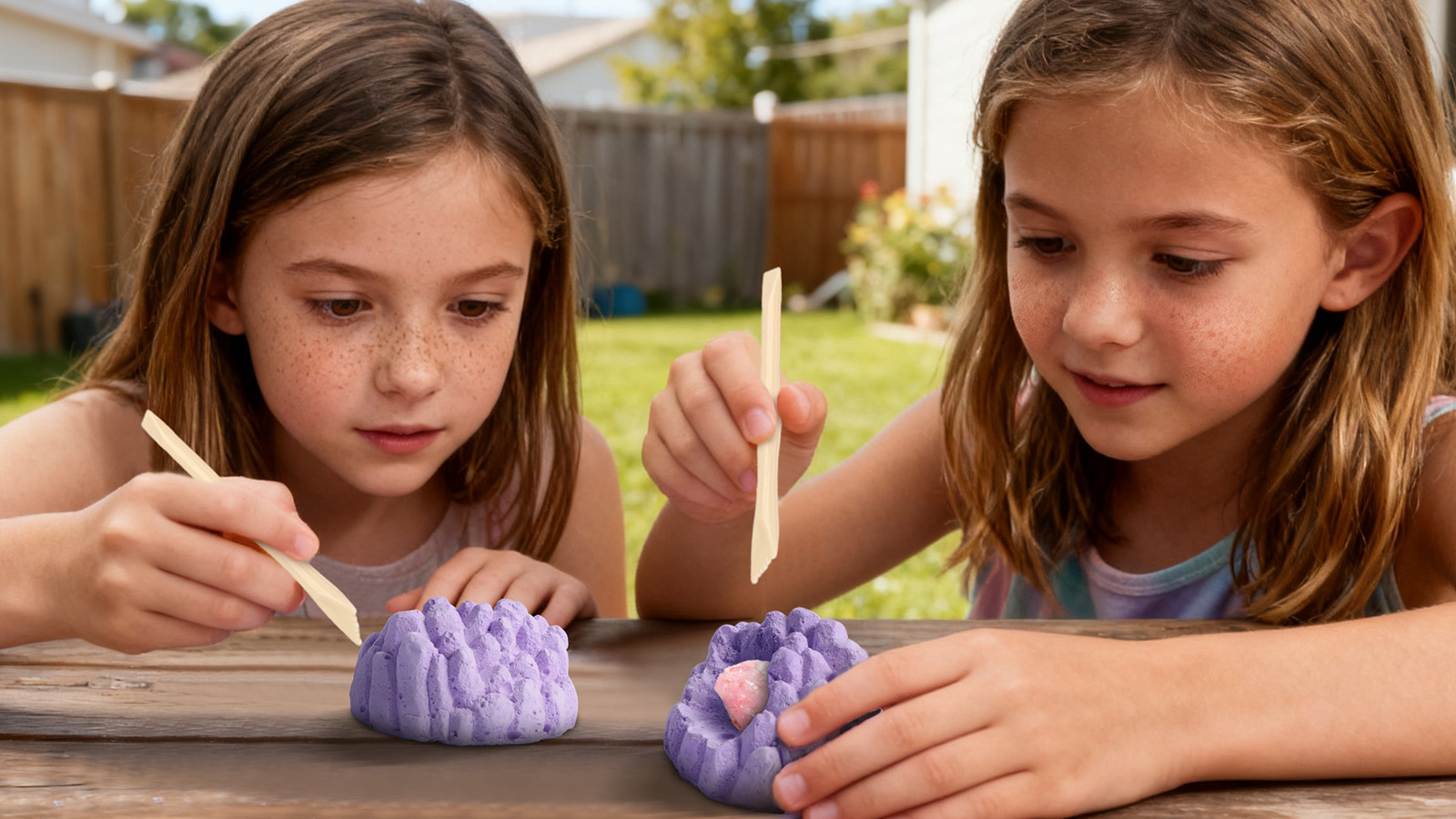
Observation kits provide specimens to examine and sort. Testing kits add tools for comparing properties such as hardness and streak. Dig kits hide specimens in a block that children excavate. For a first collection, choose

Choose a geode kit by the size and number of whole stones, the equipment needed to open them, and how you plan to keep the pieces. For a first kit, check the age requirements and
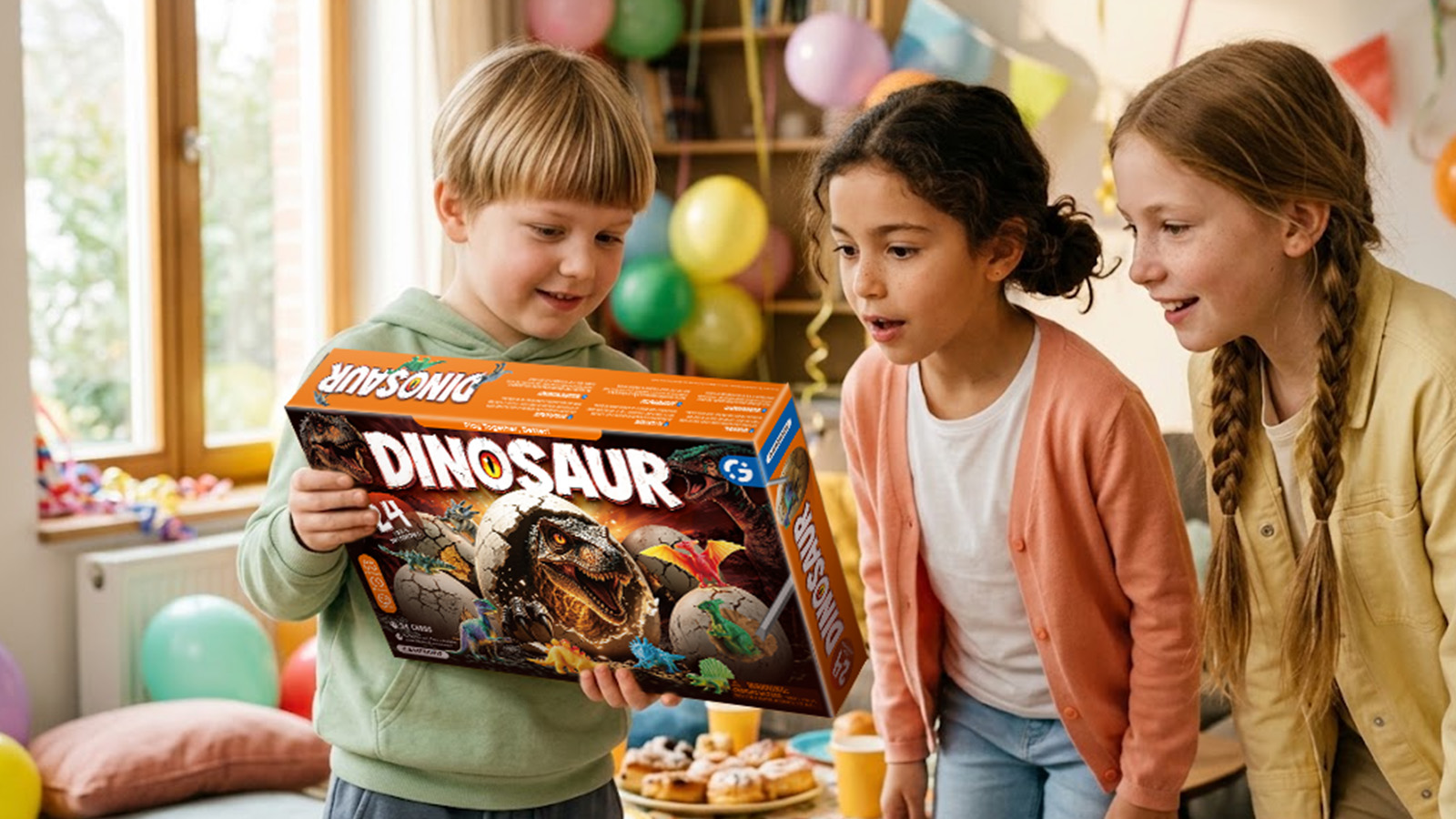
Choose dinosaur figures for ready-to-play stories, building sets for assembly and rebuilding, and dig kits for an excavation activity. Figures need the least setup. Building sets offer more repeat use when they support easy disassembly
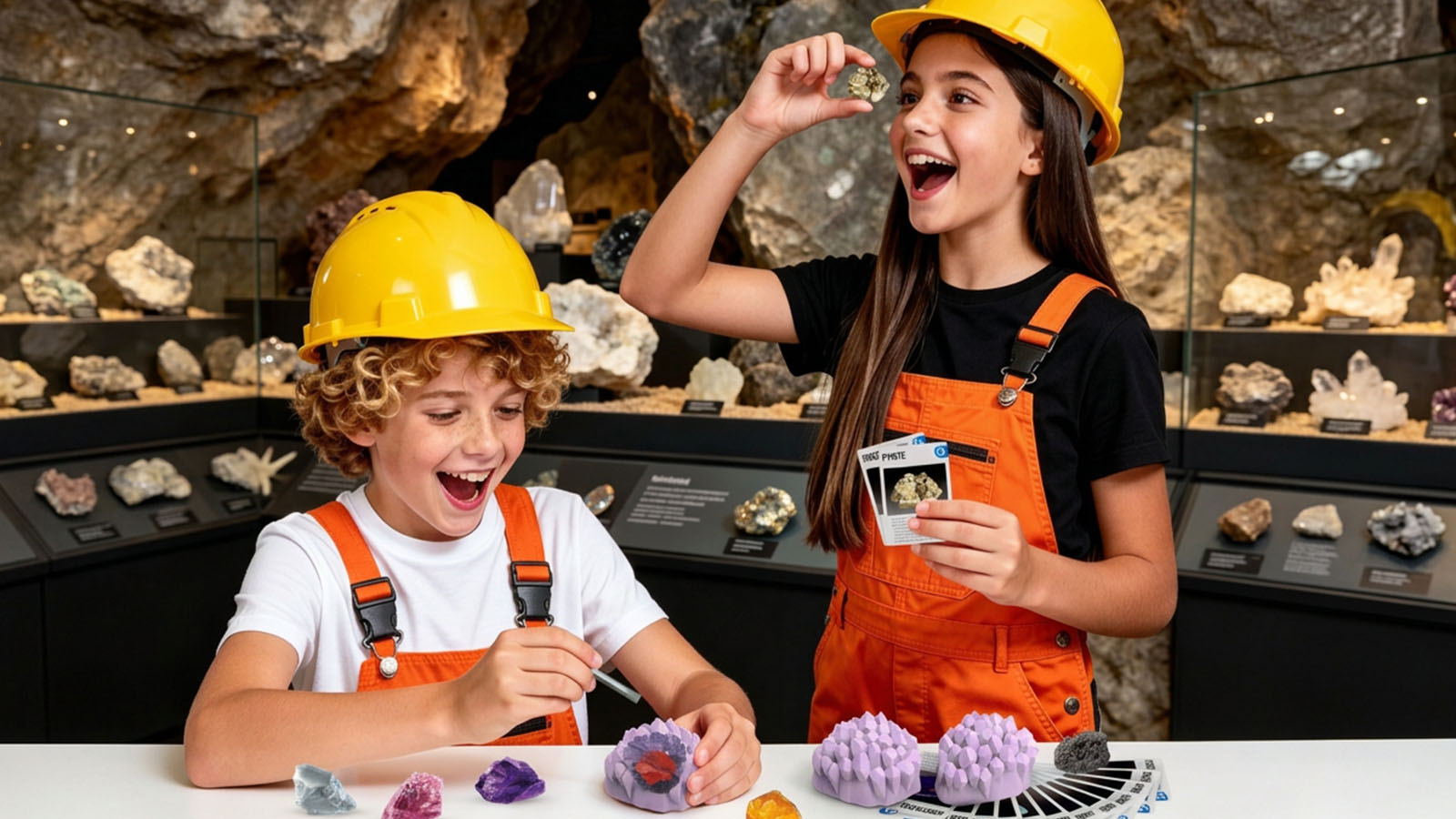
Choose a gemstone dig kit with named specimens, tools suited to the stated age group, and a guide that helps identify the finds. For a first dig, prioritize clear instructions and manageable tools. For collecting,
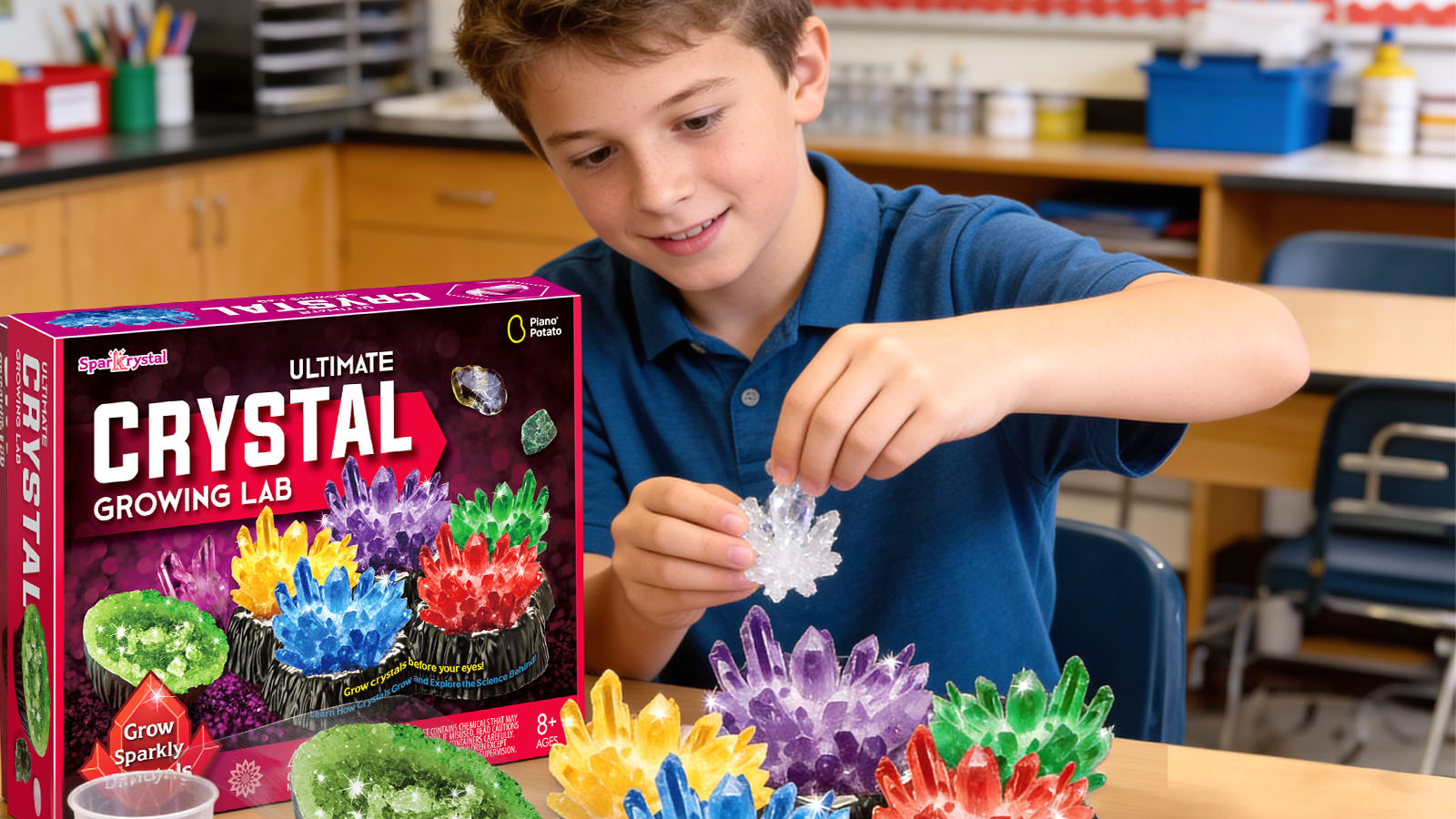
MAP crystal kits produce clusters over several days; larger alum single crystals usually need a longer project measured in weeks. Fast Epsom salt activities can show small crystals within hours. The easiest kits use pre-measured
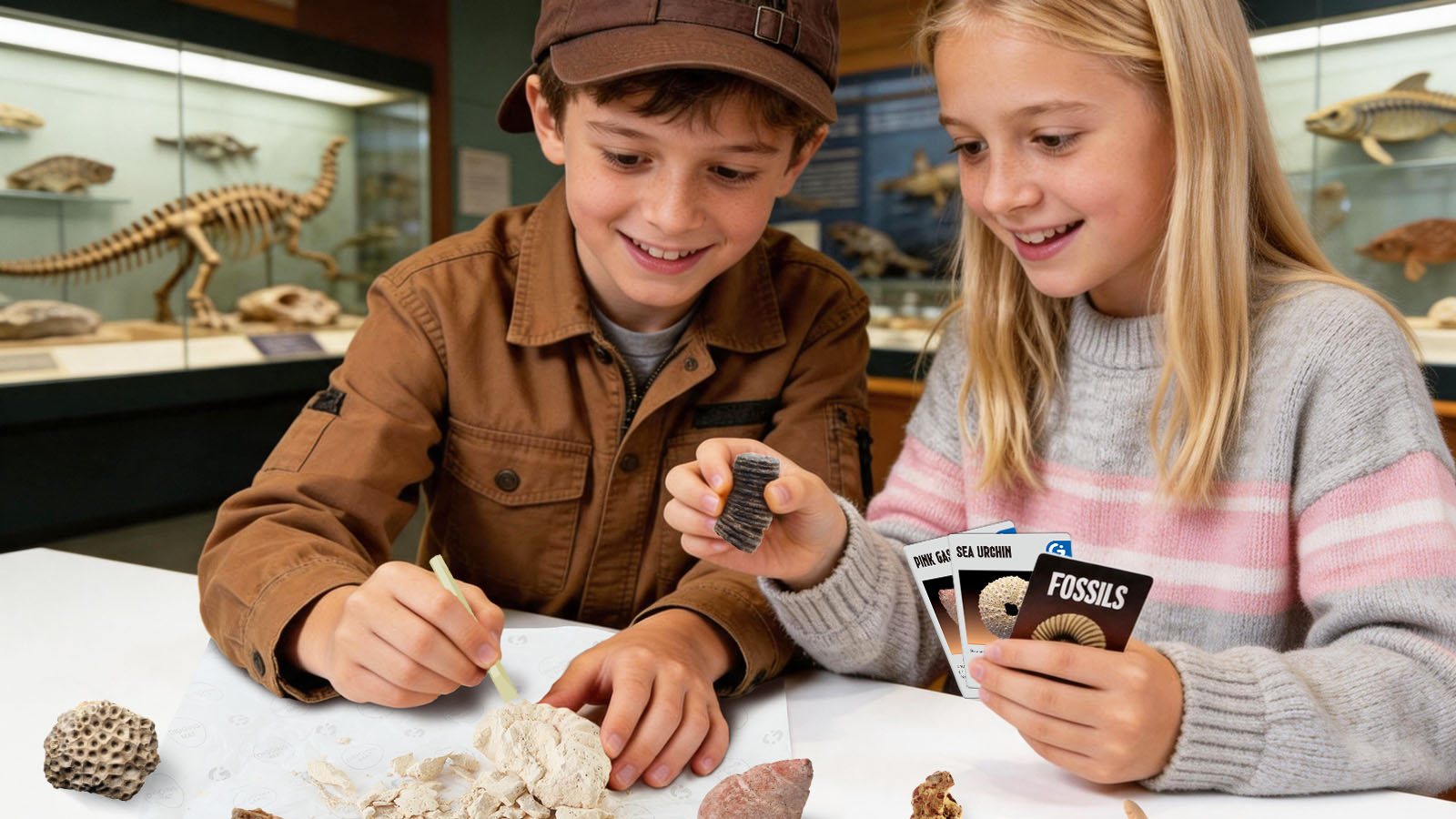
Compare children’s archaeology kits by what they uncover, which tools they include, and what children can do with the finds afterward. Choose a skeleton kit for assembly, an artifact-replica kit for history activities, or a
